HHAHS EST. 1977 Hanover-Horton Area Historical Society
Conklin Reed Organ Museum

The collection at the heart of HHAHS

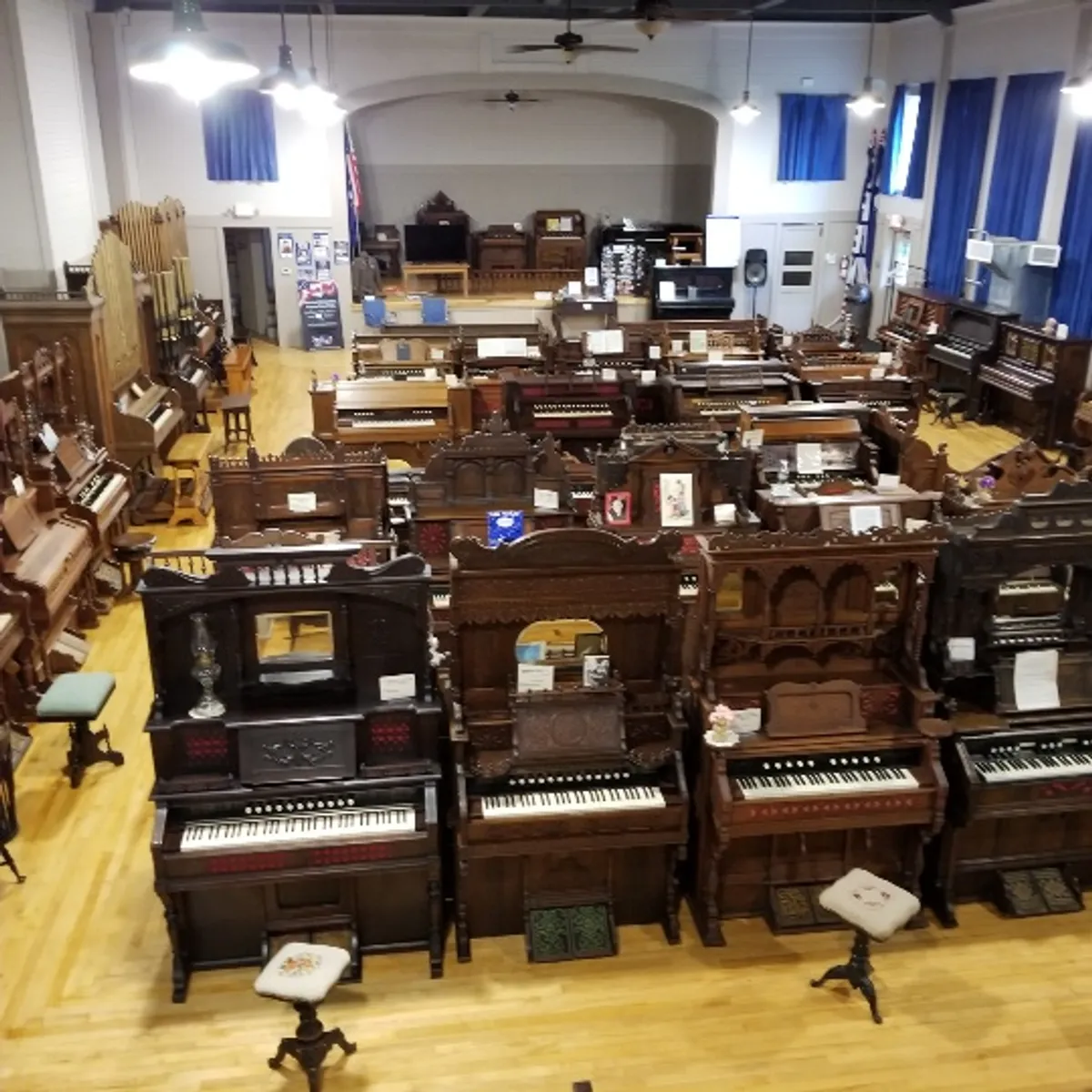
Parlor organs with mirrored high-tops. Church organs. Suitcase and circuit rider organs, and melodeons small enough to travel by wagon. Nearly a hundred restored instruments dating from the 1800s fill the gymnasium of the old Hanover school.

Rows of ornate antique reed organs filling the main hall of the Conklin Reed Organ Museum
01 Inside the hall

The old school gymnasium, now a hall of organs.

The museum is the old Hanover school, and the organs are displayed in its gymnasium, which was added to the school in 1934 as a Civil Works Administration relief project and built largely from salvaged local materials. Cases stand shoulder to shoulder — carved walnut, stenciled panels, mirrors set into high backs that once faced a family parlor. Sixteen of the instruments are Michigan-made.

The room is not silent, either. The organs are available to play whenever the museum is open, and on guided tours organists and guides showcase the instruments and help visitors play them — the difference between an exhibit and a living collection.

On your visit

Hear them
Our organist is usually available to demonstrate several of the instruments and tell you a little about their special features.
Play them
If you play, you are welcome to try any instrument you choose.
See the classrooms
Five classrooms now showcase local history. Explore the local history collection.
Visit the gift shop
The museum has a small gift shop with a variety of quality handmade items.
02 The collection

Six kinds of reed organ.

The instruments in the collection are all reed instruments, and they fall into six kinds.

  1. Melodeons

    The earliest of the reed instruments, though they were made for as long as the organs were popular. A melodeon has no stops, a short keyboard, one pumping pedal and one expression pedal.

  2. Cottage organs

    Generally small, flat-topped instruments with two pumping pedals, knee controls for expression and usually four to six stops.

  3. Chapel organs

    Identified by their decorated back panels, which were meant to face the congregation when the organ stood at the front of the church.

  4. Parlor organs

    The ones with the tall, ornate tops, intended for the front parlor of a Victorian home.

  5. Church organs

    We have three. They are large, with expression foot pedals and decorative, non-working pipes above the keyboard. An electric blower in the basement powers two of them, and all three have pump handles for working the bellows by hand.

  6. Suitcase and circuit rider organs

    The instruments designed to be portable. Each one folds into a compact package for transport.

Where they were made

Most of the instruments were made by American manufacturers. The makers were located in many cities, but these seven places were home to most of those in the collection.

  • New England
  • New York
  • Pennsylvania
  • Ohio
  • Michigan
  • Indiana
  • Illinois

Organs were also made in Canada, and three of those are on display.

03 How it began
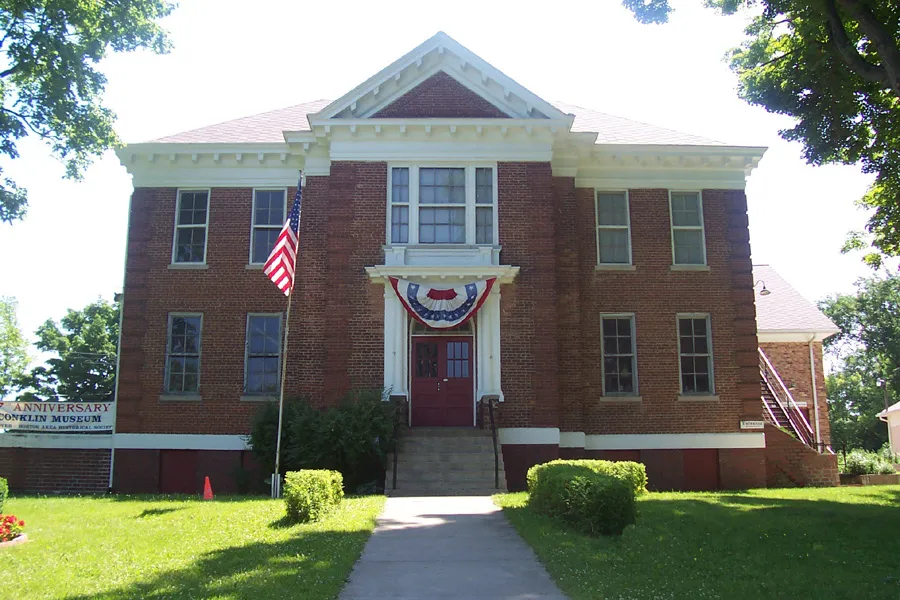
The exterior of the Conklin Reed Organ Museum, housed in the old Hanover school building
The old Hanover school on Fairview Street, home of the museum.

Lee Conklin and the original 73.

The Hanover-Horton Area Historical Society was founded in 1977 for a single, specific reason: to protect and maintain the collection of 73 antique reed organs Lee Conklin donated to the community.

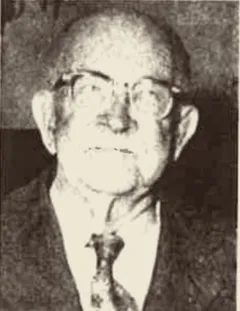
Portrait of Lee Conklin in glasses, a jacket and a tie
Lee Conklin, 1895–1989

Mr. Conklin farmed two miles south of Hanover, and after his wife died in 1965 he renewed his interest in reed organs and melodeons, traveling throughout Michigan and the Midwest in search of them. He restored them in the lower level of his barn, which held a well-equipped woodworking shop, and people from all over the country began coming to Hanover looking for “Lee Conklin’s Organ Barn.” In December 1977 the instruments were moved from the barn to the gymnasium of the old school, where they remain a permanent exhibit.

That collection became the foundation of the Conklin Reed Organ Museum. It has since grown to nearly 100 restored organs and melodeons dating from the 1800s — and the society took on the school building that houses them, an artifact in its own right.

Read how the society began

04 The instrument

What a reed organ actually is.

A reed organ makes music the same way a harmonica does: air moving across a thin brass reed sets it vibrating. But where a harmonica fits in your pocket, a parlor reed organ fills a room — powered by the player’s two feet.

The foot pedals work the bellows that draw air through a bank of brass reeds, which is why these instruments are often called pump organs. Some have a pump handle at the side, so a helper can do the pumping.

No pipes make the sound. The pipes above the keyboards of the church organs are decoration. In the late 1800s and early 1900s these instruments sat at the center of American parlor life, affordable where a piano was not.

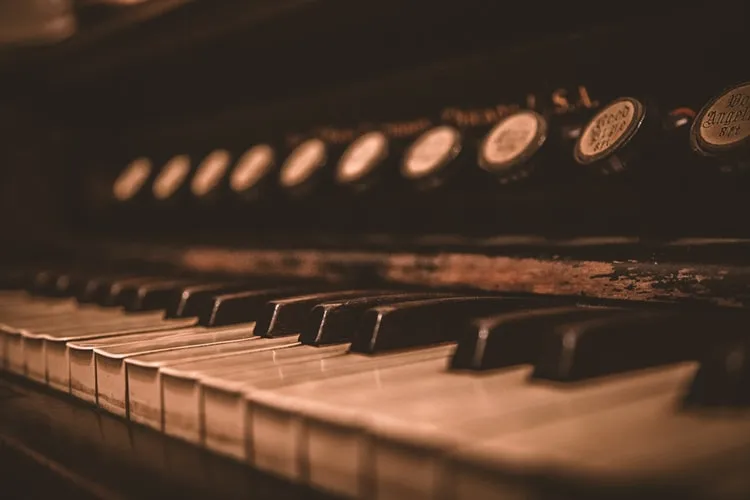
Ivory keys and labeled stop knobs of an antique reed organ
Each stop knob wakes a different voice.
01Pump
The foot treadles drive bellows that draw air through the instrument.
02Press
Each key opens a valve, letting air sing through the brass reed for that note.
03Pull
Stop knobs wake whole ranks of reeds, from music-box soft to church-service full.
05 Keeping them playable

These organs are not sealed behind glass.

Restoration volunteers inspect, maintain, repair and demonstrate instruments from the collection: patient work with bellows, reeds, pedals and woodwork that keeps a century-old instrument in playing condition.

Repair clinics and workshops in the Herrick Building at Heritage Park open the doors on that work one weekend each month, March through October — a close look at how these instruments come apart, come together and come back to life. Experienced workers and learners alike take part, and new volunteers are always welcome.

See the restoration work

06 An international gathering

When the reed organ world came to Hanover.

In October 2019 HHAHS hosted the Reed Organ Society’s international gathering, welcoming enthusiasts, restorers and scholars from around the world to see, study and hear the collection.

It was very successful, with attendees from as far away as Europe and Japan.

07 Watch and listen

Hear the organs before you visit.

Videos about the museum and its reed organs. Each link opens the video on YouTube in a new tab.

Come and hear one.

The museum is open Sundays, 1:00–4:00 p.m., May through September, and the organs are available to play whenever the museum is open. Tours are by appointment year round — schools, clubs, senior groups and families can arrange a guided visit at another time.