From 73 organs to a living museum.
The society was founded in 1977 to preserve Lee Conklin’s collection of antique reed organs. That collection is still the heart of everything it has grown to become.
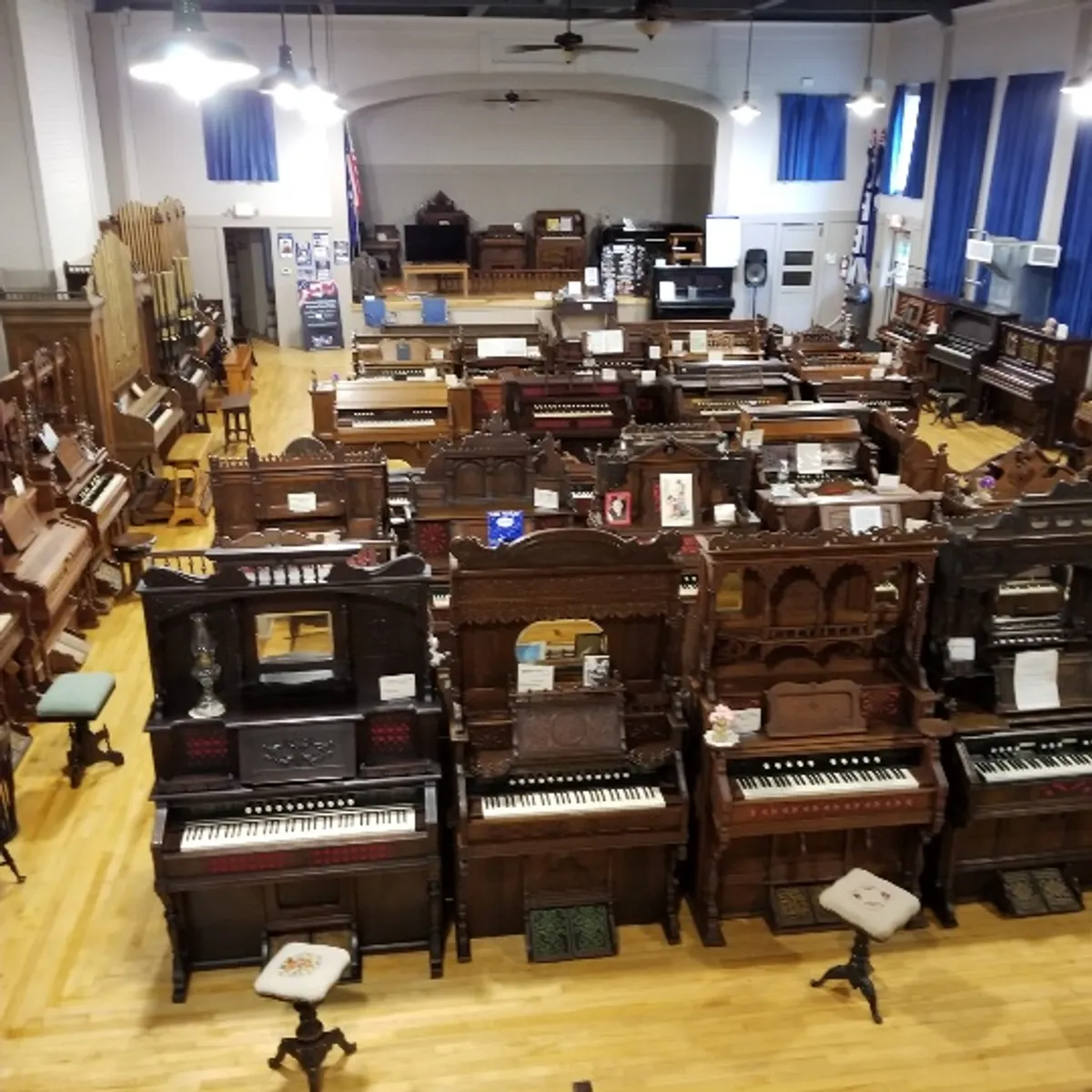
Lee Conklin and the original collection
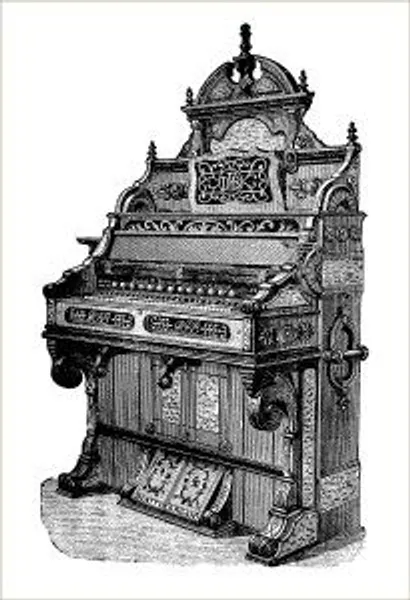
The story begins with Lee Conklin and the seventy-three antique reed organs he brought together and donated to the community — parlor organs, church organs and melodeons that once filled homes, churches and gathering places with music.
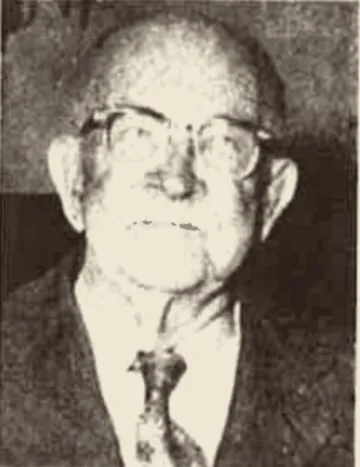
Lee Conklin was born in 1895 on a farm in Scipio Township, Hillsdale County. His love of music began in childhood, when his sister Grace often played her reed organ. He never learned to play the organ himself, but he had a fine voice, and all his life he enjoyed singing along with one.
He farmed two miles south of Hanover. After his wife died in 1965 he renewed his interest in reed organs and melodeons and began to travel throughout Michigan and the Midwest in search of them.
As the collection grew he kept it in the heated, oak-paneled lower level of his barn, which held a well-equipped woodworking shop. He spent countless hours there restoring the instruments to their original beauty and musical function.
Word spread, and people from all over the country began coming to Hanover looking for “Lee Conklin’s Organ Barn.” He always gave visitors a warm welcome and enjoyed sharing anecdotes about each instrument.
In the late 1970s he decided the instruments needed a permanent home, and the perpetual care that he was unable to give them. Each instrument carried the craftsmanship of its makers and the memory of the families who pumped its pedals. A collection like that needed more than storage. It needed a caretaker, and a community willing to keep it seen, understood and heard.
His life in dates
- 1895
- Born January 25 on a farm in Scipio Township, Hillsdale County, Michigan.
- 1965
- After the death of his wife, he renewed his interest in reed organs and melodeons and began traveling in search of them.
- 1977
- In December his 73 instruments were moved from the barn to the gymnasium of the old Hanover school, where they remain a permanent exhibit.
- 1989
- Died May 22, at the age of 94. In his last years he often visited his old organ “friends” in the museum.
A society formed around a promise
In 1977, members of the Hanover-Horton community formed and incorporated the Hanover-Horton Area Historical Society, charged with protecting and maintaining the collection Lee Conklin had given. They also decided to preserve local historical artifacts.
Arrangements were made for the society to accept Mr. Conklin’s instruments, along with a large collection of sheet music, and to lease the old Hanover High School, which stood empty, from the local school system. In December 1977 the instruments were moved from his barn to the school gymnasium, and the Conklin Reed Organ Museum opened.
A trust to protect what had been entrusted.
That founding purpose still shapes the ordinary decisions: what the society accepts, what it repairs first, what it opens to the public, and what it holds back until it can be cared for properly.
- The society
- Formed and incorporated in 1977
- The gift
- 73 instruments and a large collection of sheet music
- The lease
- A 49-year lease on the Hanover school building
- The museum
- Opened in December 1977 with Mr. Conklin’s 73 organs
A historic home for a historic collection
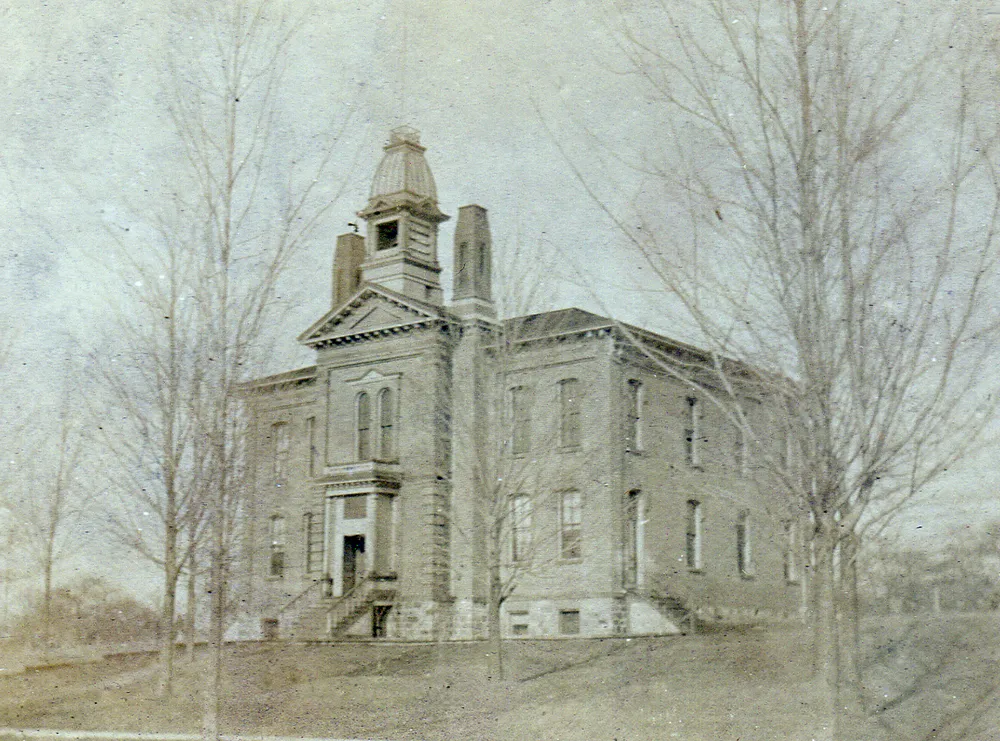
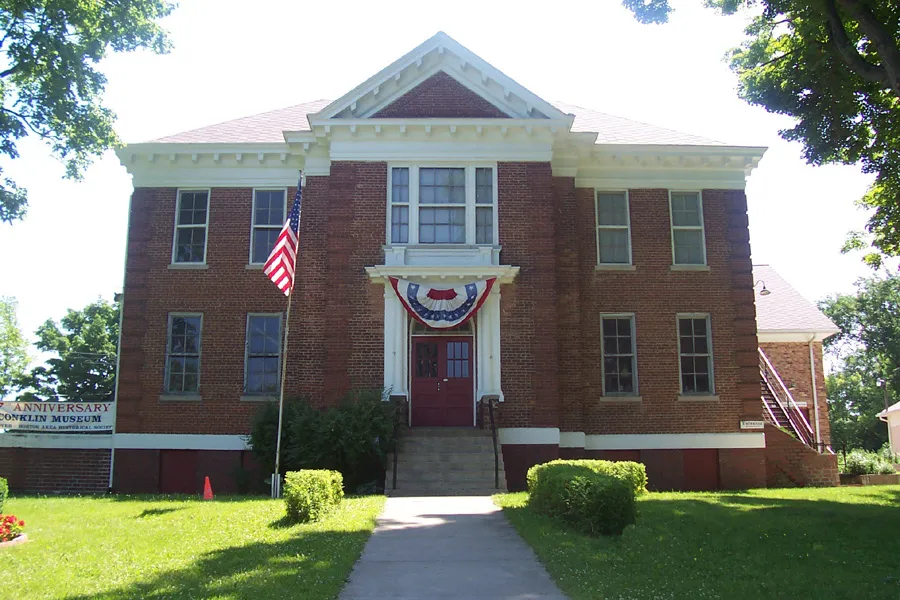
The society began as a tenant in the old Hanover High School. It set the organ collection up in the gymnasium, and the rest of the building became the museum of local history; five classrooms now show it. The society later purchased the school building, along with an adjacent school bus garage.
The building itself is on the National Register of Historic Places. It was rebuilt in 1910–1911 on the site of the original 1874 school, which burned in July 1910, to a standard rectangular schoolhouse layout known as the Quincy plan. Preserving it is part of the work: roof, windows, floors and heat for a century-old schoolhouse, where visitors still come in through the same front door the students used.
The building in dates
- 1874
- The original school building, on this same site.
- 1911
- The old Hanover High School is built on the original school site.
- 1934
- A gymnasium is added to the school as a Civil Works Administration relief project, built largely from salvaged local materials. The organs are displayed there today.
- 1977
- The society leases the building from the local school system, and the museum opens in December.
- 2012
- In December it is placed on the National Register of Historic Places. It is also a State of Michigan Historic Site.
More instruments, more stories
More organs have been donated to the museum since it opened. The original seventy-three have grown to nearly one hundred restored organs and melodeons, kept in playing condition by volunteers who know their insides.
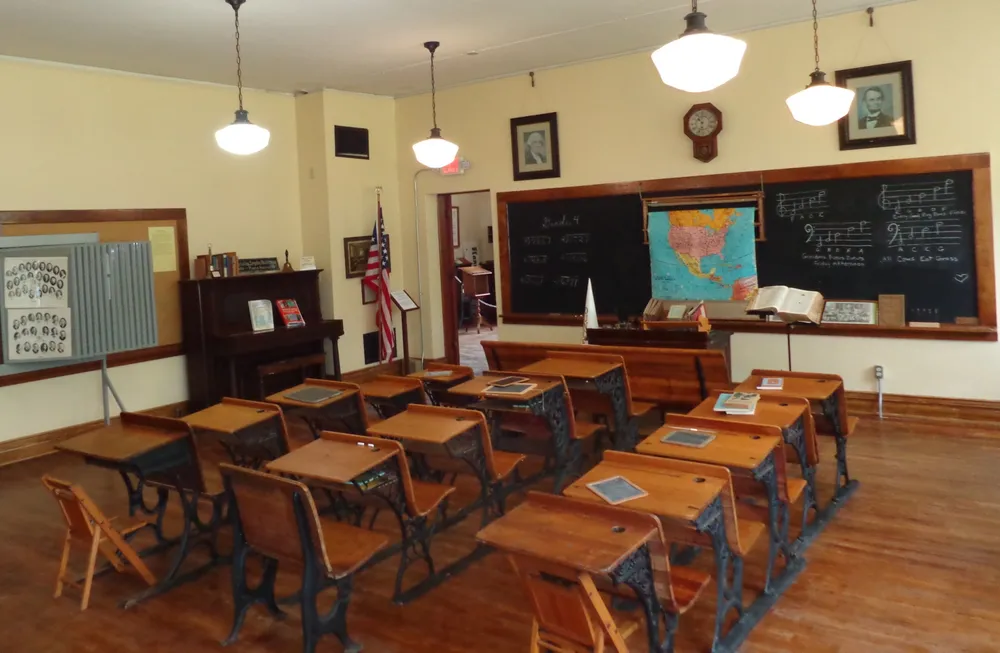
Around them a broader local history collection took shape: photographs, documents and artifacts holding the families, schools, farms and businesses of the Hanover-Horton area. Artifacts of historical interest, donated by people of the community, are preserved and displayed here too. A restored classroom exhibit gives the building’s own history a room of its own — wooden desks, chalkboard and all.
Heritage Park and the Event Center
As the society grew, so did its footprint. In 2000, with 82 acres of farmland next to the museum recently listed for sale, Ken Reed and friends brought the society a bold proposal: a community fund-raising drive to raise the $180,000 needed to buy the land. The landowner allowed them two years to raise it.
The goal was met and the land was purchased. The tract was named Heritage Park and dedicated in 2002. Today it holds wooded walking trails, gardens, historical demonstration buildings and a working crop farm. It is rural heritage you can walk through rather than read about.
Almost immediately the society began holding events in the park, and a dedicated group of volunteers set about improving it.
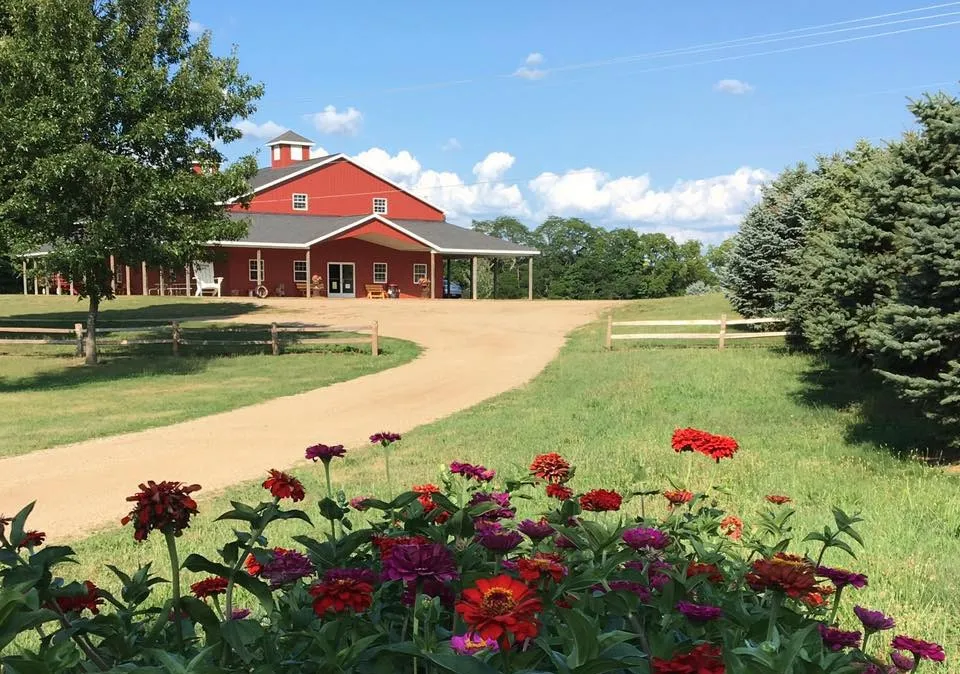
The park’s Event Center gave the community a gathering place of its own. It hosts society programs and is available to rent for gatherings of every kind.
What the volunteers added
- A network of internal gravel roads
- An electrical power distribution network
- A large nature and hiking trail
- A tractor pulling track, used for Rust ’N Dust
- A 5,000-square-foot Event Center with meeting rooms, bathrooms and a kitchen
- An early 20th century working sawmill and planer
- A storage building
- An operating Sugar Shack for refining raw maple sap into maple syrup
Restoration workshops, and a global gathering
Preserving reed organs means keeping them playable. Restoration volunteers hold repair clinics and workshops in the Herrick Building, next to the museum, passing on the patient craft of bellows, reeds and woodwork to anyone willing to learn it.
The workshops are led by experienced reed organ restorers from Ohio and Michigan. Anyone with an interest in reed organ restoration is welcome to come and learn by doing. Sessions are open to the public at $10 per day, and society members attend free.
Typical work at a workshop
- Repairing bellows
- Replacing valve faces
- Tuning
- Cleaning
- Basic case restoration
That work has been noticed well beyond Michigan. In October 2019 the society hosted the Reed Organ Society’s international gathering, welcoming enthusiasts from around the globe to Hanover to see and hear the collection.

A living organization, still growing
Today the society welcomes visitors to the museum on seasonal Sunday afternoons, opens Heritage Park for events and gatherings, restores and demonstrates instruments, answers research questions, and keeps collecting the stories of the Hanover-Horton community.
Supported largely by volunteers, HHAHS remains what it was in 1977: a community keeping a promise. The next chapter belongs to the people who choose to be part of it.

Help write the next chapter.
Every part of this story was written by people who decided to help — with an afternoon, a skill, a membership or a gift.